




Digital tools already influence how people learn, communicate and carry out professional tasks. Preparing for 2030 means helping educators and learners develop the confidence to choose appropriate technologies, evaluate information and apply new tools in meaningful ways.
The EU’s Digital Decade target is for 80% of people aged 16–74 to have at least basic digital skills by 2030. This gives education and training an important role in preparing people for a changing working environment.
Eurostat’s 2023 figures for people aged 16–74 show at least basic digital skills at 44% in Poland, 28% in Romania and 56% across the EU.
Teacher data provide another perspective. In TALIS 2024, 45% of surveyed lower-secondary teachers in Poland and 46% in Romania reported using AI in their work, above the OECD average of 36%.
Lithuania recorded the EU’s highest average annual growth in ICT specialist employment: 11.4% over 2015–2025, according to Eurostat.
Business adoption also varies. Eurostat’s 2025 enterprise survey, covering businesses with at least 10 people employed, reported AI use at 5.2% in Romania, 8.4% in Poland and around 20% across the EU.
These indicators describe population skills, teachers’ professional practices and business adoption. Taken together, they suggest how important it is to connect education with workplace needs and provide opportunities for continued learning.
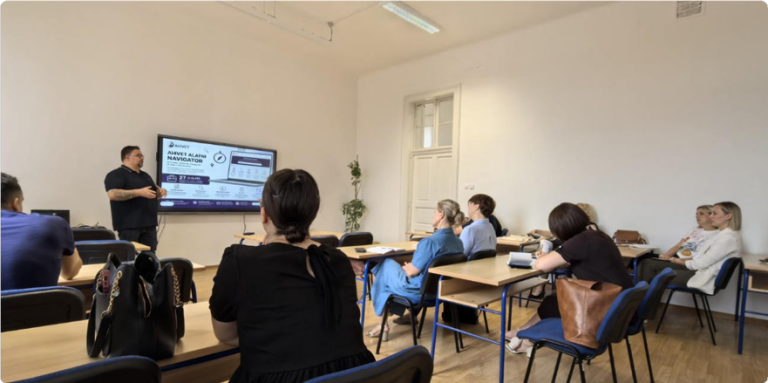
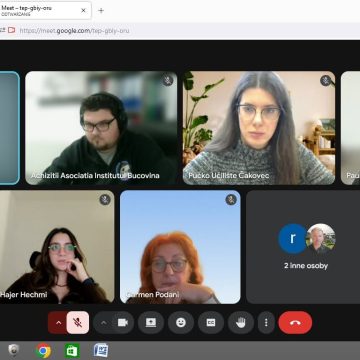
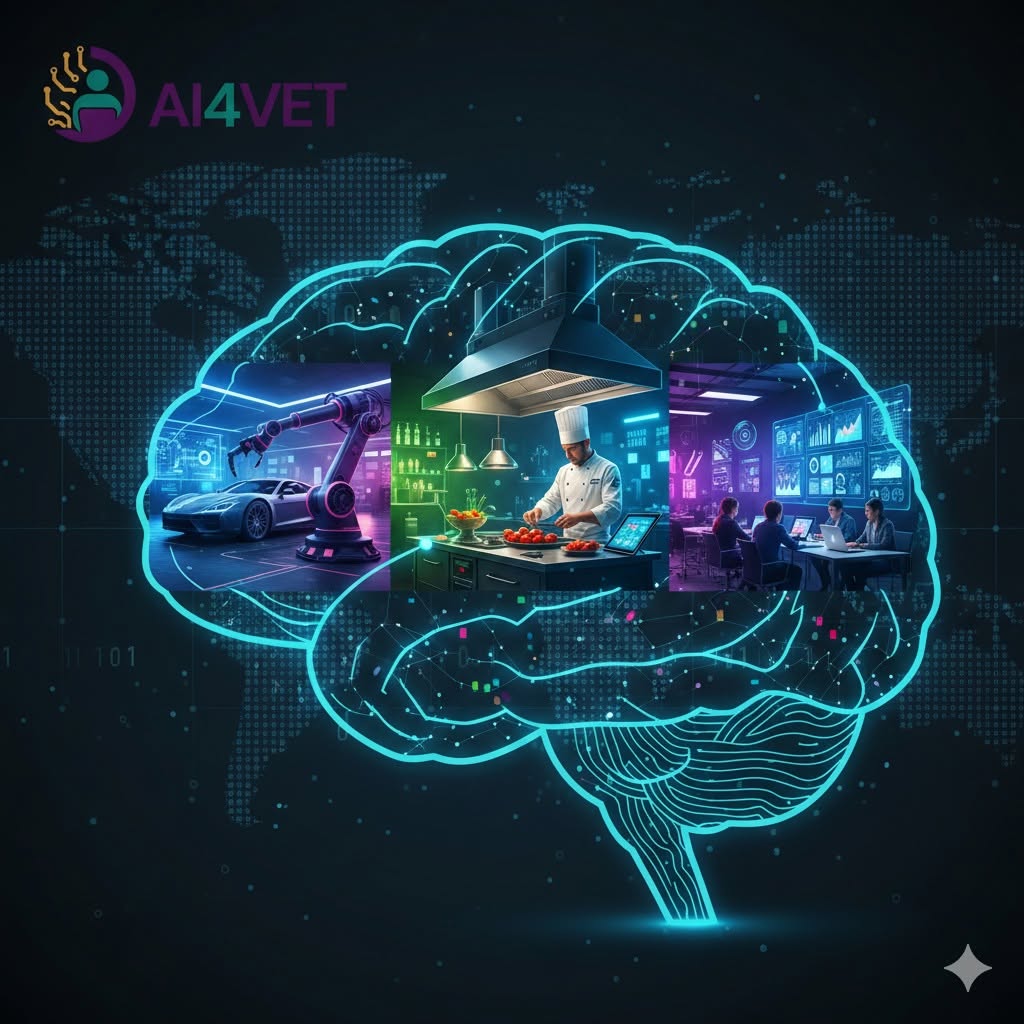
This is where AI4VET contributes. The project brings together partners from five European countries to support vocational educators in using AI, developing practical teaching approaches and creating more personalised learning experiences.
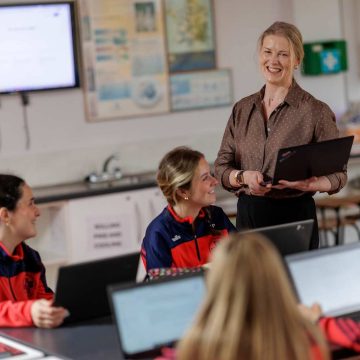
Through educational resources, training, pilot activities and Future Classroom Labs, AI4VET aims to help turn interest in technology into useful teaching practice. Educators need opportunities to experiment, reflect and adapt tools to their subjects and learners.
For students and adult learners, preparation for the future includes understanding how digital tools work, recognising their limitations and applying them responsibly in professional situations. These competences can support confidence as technologies and working practices evolve.
Do you feel your current digital skills will prepare you for 2030?
Share your thoughts in the comments and tell us which skills you would like to strengthen. Your experiences help keep the discussion connected to real learning and workplace needs.