




Romania’s education and training system faces an important challenge: strengthening digital skills while preparing teachers and learners to use artificial intelligence responsibly. As AI becomes increasingly relevant to learning and professional life, these priorities need to develop together.
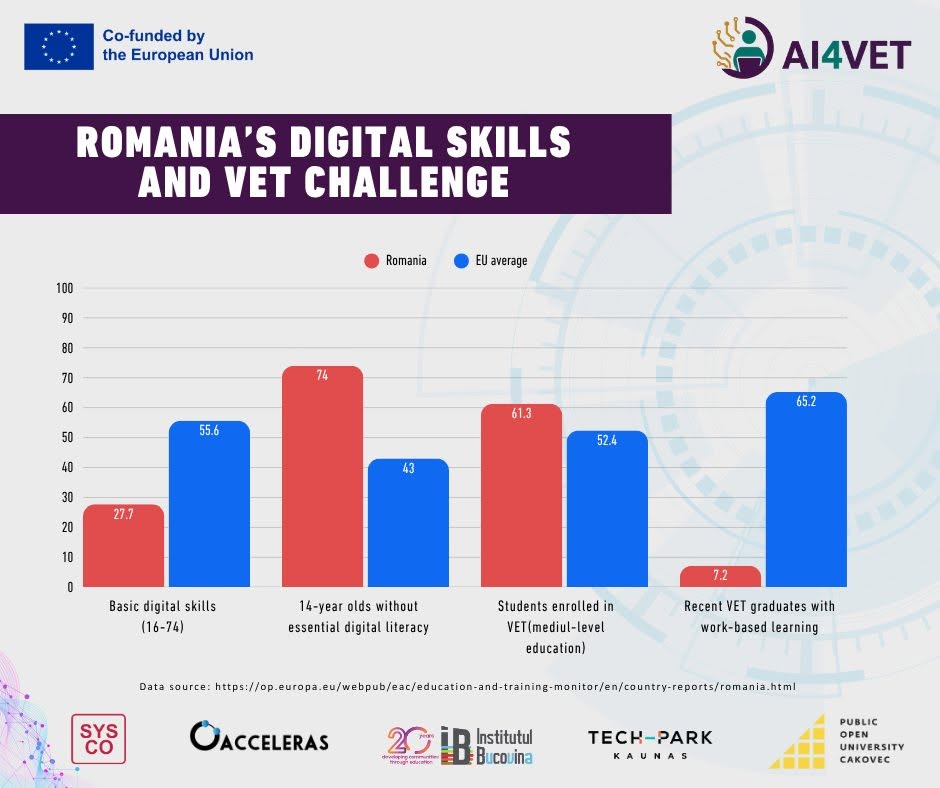
According to the European Commission’s Education and Training Monitor 2025, only 27.7% of people aged 16–74 in Romania had at least basic digital skills in 2023, compared with 55.6% across the EU.
The challenge is also visible among younger learners. In the ICILS 2023 assessment, 74% of Romanian eighth-grade students, generally aged around 14, were below the baseline proficiency level in computer and information literacy. The corresponding average across the 22 participating EU countries was 43%.
Vocational education and training has a substantial role in Romania. In 2023, 61.3% of students in upper secondary and post-secondary non-tertiary education were enrolled in vocational programmes, compared with 52.4% across the EU.
However, the Monitor reports that only 7.2% of recent VET graduates aged 20–34 had experienced work-based learning in 2024, compared with 65.2% across the EU. This indicator counts workplace experience lasting at least one month and undertaken as part of the training programme.
Together, these figures highlight the need to strengthen digital foundations and create more opportunities to connect learning with workplace practice.
AI can help educators develop activities that support both priorities. A catering teacher could adapt food hygiene materials to different reading levels. A retail trainer could create customer-service scenarios with increasing complexity. Learners could then compare AI-generated responses with approved teaching materials, identify mistakes and explain their decisions.
These activities can combine vocational knowledge with information checking, critical thinking and responsible technology use.
Teachers also need practical support: time to explore tools, opportunities to learn with colleagues and confidence in reviewing AI-generated content. Clear learning objectives and attention to learners’ starting points remain essential.
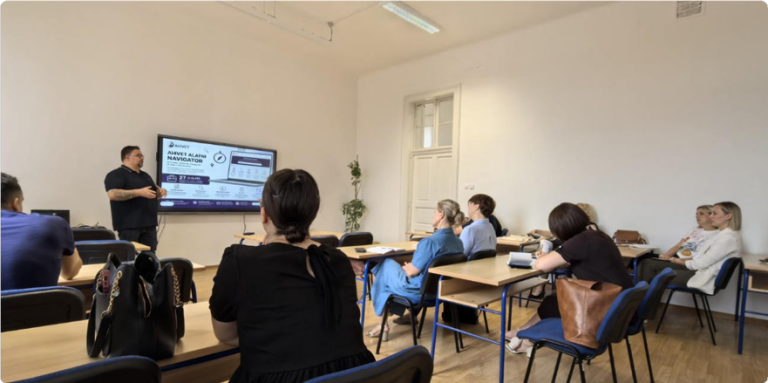
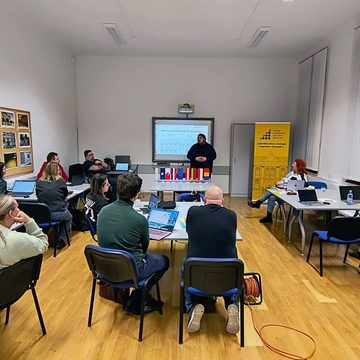
AI4VET contributes through educational resources, upskilling opportunities, collaborative lesson-plan development and classroom piloting. The project supports educators in turning AI into a practical resource for inclusive, relevant vocational learning.
Which priority would make the greatest difference in your institution: stronger digital foundations, more workplace learning opportunities or additional training for educators?
Sources: European Commission — Education and Training Monitor 2025: Romania | Cedefop — Vocational education and training policy briefs 2024: Romania