





When a learner gets stuck during a practical task, a few minutes of individual guidance can make a difference. Could AI help educators make more time for those moments?
In a survey of 1,952 U.S. K–12 educators, Gallup and the Walton Family Foundation found that 59% used AI for work during the 2025–2026 school year. Educators reported using chatbots, adaptive learning systems and other tools to prepare lessons and assignments, grade work, give feedback and handle administrative tasks. Nearly two-thirds of those who used AI said it gave them more time for the parts of teaching they valued most: 51% reported somewhat more time and 13% reported a lot more.
A separate survey published in May 2026 found that 69% of U.S. public school teachers had received no guidance on using AI for tutoring or individual instruction. The figures were 58% for grading and feedback and 47% for creating assignments and classroom materials. Teachers also reported gaps in guidance on analysing learning patterns and adapting materials to students’ needs.
For vocational education and training, the opportunity is practical. A retail trainer could use AI to draft an observation checklist for a role-play in which a customer returns a product. The trainer checks the criteria against the learning objective, observes how each learner handles the conversation and gives individual feedback. The checklist can save preparation time, while the trainer makes the assessment.
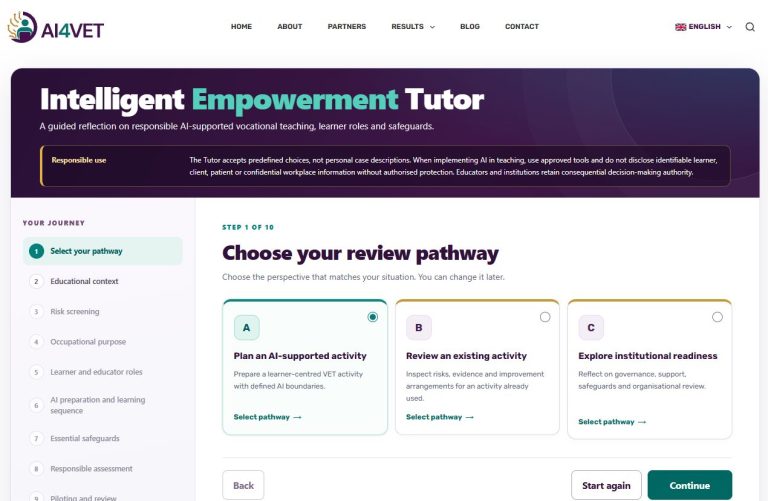
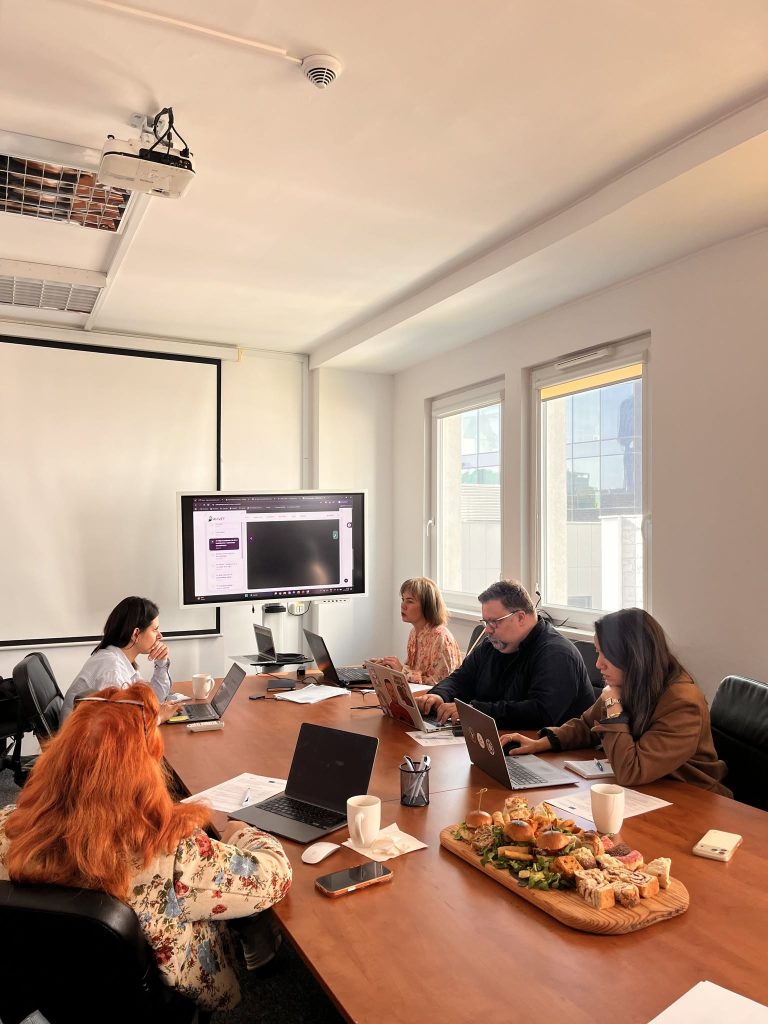
Through practical workshops, collaborative lesson planning and piloting in real training settings, the Erasmus+ project AI4VET helps educators choose appropriate tools, review what they produce and use them responsibly. Explore the Edu-AI Tools Navigator and the Toolkit for a starting point.
If AI saved you time on preparation, how would you use that time with your learners?
Further reading: K–12 Dive, 16 October 2026